

It is not enough to be a big business, nor an established business, nor an original startup – in today’s digital landscape, companies are forced to perform miracles to retain their customers. And they are constantly experimenting with innovative ways to stand out from the competition. One of the most effective ways of achieving this is through personalization. Marketing activities must be tailored to the unique needs and preferences of individual consumers because they simply expect it now. Therefore, 33% of marketers believe that personalization is among the key marketing tools of the future, 74% of them believe that well-targeted personalization increases customer engagement and leads to an average increase of 20% in sales.
Personalization can take many forms, from product recommendations and targeted advertising to personalized emails and landing pages. As technology and data analytics continue to evolve, personalization is becoming an increasingly powerful tool, and we recommend you invest in it if you want to stand out in a crowded digital marketplace. And best of all, turn to specialists like us who can advise you on how to do it.
What are the benefits of personalization in digital marketing?
The benefits of personalization in digital marketing are several:
✅better understanding of the client and their needs, which with a good analysis can lead to
✅improved user experience (UX), and from there to
✅increased customer commitment to the brand and conversion rate. All of them together lead to
✅stand out from the competition.
Thanks to personalized digital marketing, your company can better understand the needs and preferences of its customers. By carefully analyzing their behavioral data, you can identify patterns and trends to help you create more effective marketing campaigns and product offerings. Tailoring your interactions with customers based on their unique needs and preferences by creating a personalized experience will increase customer satisfaction and loyalty.
When customers feel that their interests and preferences are understood, they are more likely to make a purchase, engage with your brand in the long term, and repay you with positive word-of-mouth marketing. An Epsilon study shows that personalized emails have six times the conversion rate of non-personalized emails. We should not forget that not all companies are betting on personalization – so those who do it smartly get points ahead of the competition.
What types of personalization exist in digital marketing?
Personalized emails

We all receive personalized emails that reach us based on our customer behavior, preferences, and demographics. Some of them contain product recommendations, special offers based on our purchase history or targeted content. In addition to expressing a personal attitude to your customers, you can provoke them to answer you about what they would like to read in your emails through short surveys, for example.
Personalized social media ads
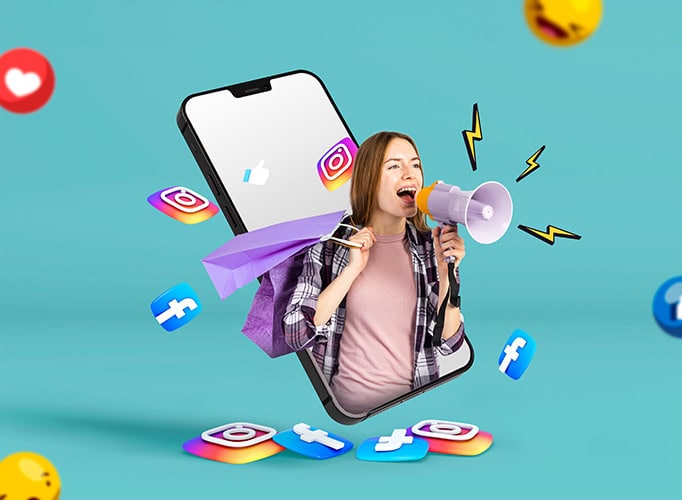
Social media offers rich opportunities to create personalized ads for specific audiences. By using demographic and interest and behavioral information, you can create ads that speak personally to people and increase the likelihood of engagement and conversion.
Personalized site content and product recommendations
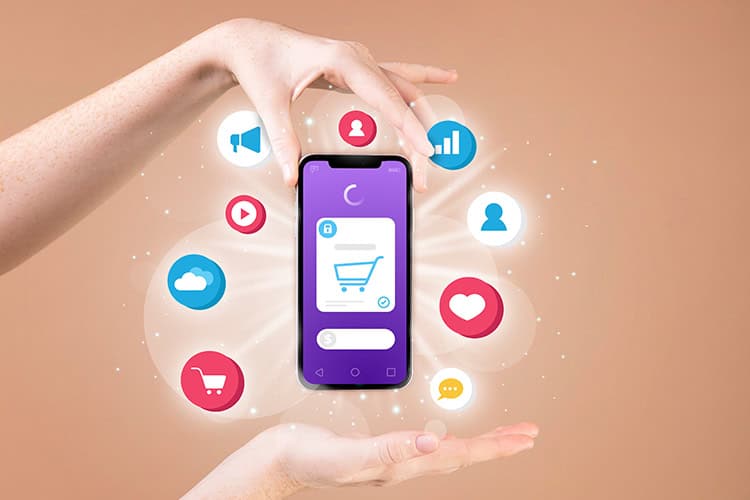
Tracking and analyzing an individual’s behavior in a mobile application can also lead to the creation of personalized targeted notifications such as personalized product recommendations, special offers or reminders. They can also increase engagement and drive conversions.
Personalization strategies in digital marketing
Collection of user data
User data is usually collected through surveys, site analysis and purchase history. Surveys can be used to gather direct feedback on customer preferences, while web analytics tools can track website usage and behavior to get an idea of what content and products are most popular. Purchase history data can also help you better understand customer preferences and purchasing behavior.
Analysis and segmentation of user data
User data analysis and subsequent segmentation are fundamental to creating personalization in digital marketing. Collected data may be grouped into smaller groups of varying specificity based on similar traits or behaviors, geographic location, demographics, and psychographics. Based on this, you can create more targeted and personalized content for each group because it is more likely to resonate with people’s specific needs and drive engagement.
Create targeted and personalized content
Targeted and personalized content can include personalized messages with visuals, as well as product or service recommendations based on a customer’s interests and behavior. One way to create targeted and personalized content is through dynamic content, which allows different content to be shown to different user groups. It can be based on customer behavior, such as previous purchases, or demographics, such as age or location. In addition, personalization may include using the customer’s name or other personal information in emails or other means of communication to make the customer feel seen and understood.
Using marketing automation tools
Marketing automation tools are essential for personalization in digital marketing as they can help you deliver the right message to the right consumer at the right time. Through a popular marketing automation tool like CRM (customer relationship management system), you will manage and analyze user data, segment your audience, and automate personalized communications. If you use a CRM to segment your email list based on factors such as location, purchase history or browsing behavior for example, you can then send targeted email campaigns to each segment.
Chatbots are also an important personalization automation tool. They can be used to personalize interactions with customers in real time, for example by recommending products based on their browsing behavior or answering frequently asked questions.
When implemented correctly, chatbots can improve the customer experience, increase engagement, and ultimately drive conversions.
Challenges to personalization in digital marketing
Besides advantages, personalization also brings with it challenges.
When we talk about data privacy, for example, users increasingly refuse to give access to them because there is a risk that their information will reach outsiders and lead to identity theft or other fraud. Therefore, your company should create a clear privacy policy and opt-in procedure that gives users the ability to control what information is collected and how it is used. You also need to ensure that you comply with all relevant data privacy laws and regulations, such as the General Data Protection Regulation (GDPR).
Collecting enough user data can also be difficult. This process can be expensive and time-consuming. Not every company can afford to invest in analytics tools or specialists to collect and analyze user data. But even if you collect enough data, it may be incomplete, out-of-date, or inaccurate, which can lead to wrong personalization. A carefully programmed chatbot can be useful in collecting and analyzing user data as it can communicate with customers in real time, gather information and provide recommendations.
While personalization can improve the user experience, it can also bring risks. If you don’t know your customers in depth, you could create a personalization that not only misses the mark but offends the customer. Imagine a clothing company that recommends items that don’t fit a customer’s style or size based on inaccurate data. One way to minimize such risk is for users to be able to opt out of personalization or adjust their preferences as needed.
As much as we talk about the benefits of personalization, we shouldn’t forget that it’s important to find the right balance between it and maintaining brand consistency. We should not hurt the overall message and image of the brand. If personalization efforts result in content that appears incongruent with the brand, it can lead to confusion and a lack of trust on the part of customers.
In digital marketing, personalization is used to create more meaningful and exciting interactions with customers, leading to increased engagement, conversion rates and improved user experience. Personalization can be implemented in digital marketing strategies by collecting, analyzing, and segmenting user data, creating targeted and personalized content, and using marketing automation tools. These strategies can help businesses create a more personalized experience that aligns with customer needs and preferences.